Social Icons

twitterfacebookgoogle pluslinkedinrss feedemail

Pages

Friday, 25 July 2014

Self Build Land and More

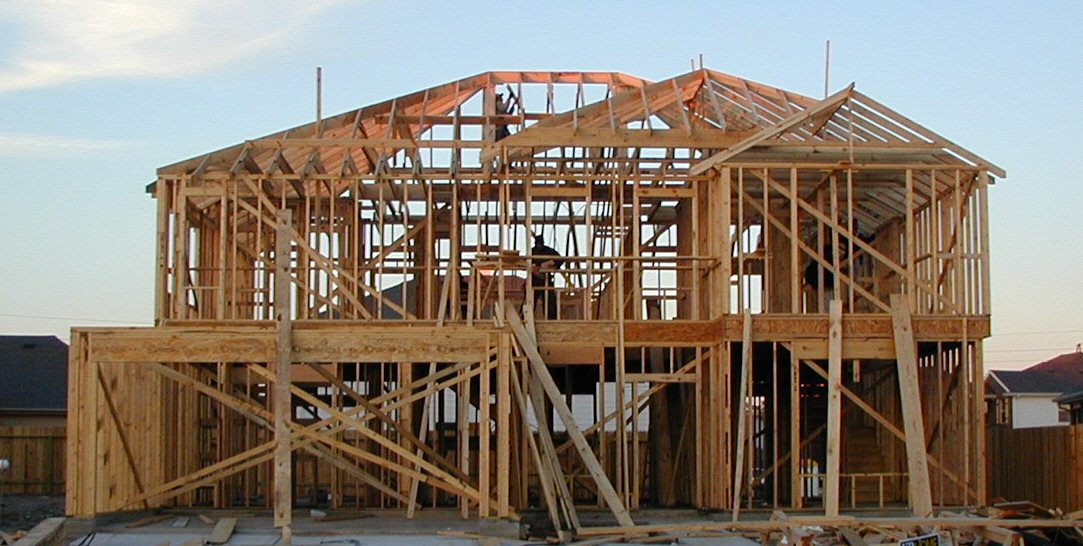
The practice of self build is in demand in United Kingdom and Ireland. This practice means the involvement of the individual on building his house. An individual may choose to design his house, choose the materials that will be used, the size, and everything about the construction. He has the freedom to do it on his own, can seek the expertise of an architect, or can just let the developer take over the construction. This means to say that the individual has the control over the construction of his own home, from the materials to be used to the use of space.
e.wikipedia.org
You may think that this kind of freedom may be expensive. However, you should think again because you might be mistaken. Actually the cost of a self build house is even much cheaper. The practice of self build emerged from the desire of the many to have their houses built the way they want it to be built but could not afford on the open market.
Now let's take a look on how self build is done.
Purchasing your plot of land
You can begin your self build house after you buy your self build land. You must also secure a plotting permission and have the land assessed that it is good for self build project and the like. You must then consider the location, the price, the title, and all the necessary documents to make your project hassle-free.
Finance you new home
There a many ways on financing your project. You can secure a mortgage depending on your income or capacity to pay. Just always bear in mind to stick to your budget no matter what. Also, always remember to get the best quality with your money. You have to do a lot of research. You should know where to find materials in its best quality and know how to stick to your budget.
Insurance for you self build house
Remember that you are the land owner and whatever accidents may occur is your liability. A site insurance is not enough. Get a public liability insurance and get help from a licensed broker.
Let's begin
You start your self build house with a drawing. You now could hire an architect to draw what is it that you want to built. Then you can look for building contractor to carry out the details of your plans. Or you can hire men to build your house and let them attend a self build show. In this show, they will be provided with a lot of useful information that they will be needing.
You are the man
You are in charge of your project. Your motivation is your desire to be involved in as many possible way in building your house. So, always monitor and be on the top of everything. Put much time on the planning than executing but make sure that you are careful on each step of the planning. No matter how much you planned when not executed properly is still as good as nothing.
Self build, though can be stressful and entails a lot of work, effort, and time is still rewarding.


Article Source: http://EzineArticles.com/5827393

7 Amazingly Simple Ways To Go About Building Your Own Energy Efficient Home


Timber frame super energy efficient homes are popular in many countries throughout the world, except, it would seem, the UK. However all that seems to be changing thanks to the new government directive to go green. With northern European countries already building code 5 or code 6 sustainable homes in kit form the UK is fast catching on to this growing trend. 

1. Plots of land are for sale every day however most Estate Agents deal directly with commercial builders when land comes up for sale as they also receive a commission for what ends up being built on the land. Use a service like Plotbrowser or Plotsearch to keep up to date with what is available and in the meantime write to as many local builders as you can asking if they have any land for sale for a self build project and get them to quote for the build itself.
en.wikipedia.org
2. Search for bungalows built in the 1960′s that are beyond renovation. The great thing about bungalows is that they are usually in a nice sized plot of land and there will be plenty of scope to knock the building down and replace it with an energy efficient self-build home. Even if there are restrictions on extending the original footprint of the bungalow you can always go out and then up for maximum space.
3. Seek professional advice on what finance is available from the National Self Build Centre in Swindon. You will be amazed at the new ways in which you can finance your land and self-build project with a mortgage. There are stage payment type mortgages or an innovative project money upfront type of insured mortgage that will allow you to finance the whole project in one go. Pick up that phone and give the experts a call!
4. Energy Efficiency for life. If you had a time machine and could go back to when you bought your current house what would you change? Perhaps you have added double glazing, cavity wall insulation and loft insulation and you might be thinking about Solar Power to reduce rising energy costs. If you had the choice today between a home that costs £200-£300 a year to run or £200-£300 a month to run which would you invest in knowing what you know now?
5. Designing your own floor plan. If you have ever bought a new home with that lovely expectation that you can design the whole thing yourself you will love the idea of self-building BUT there will always be compromises unless budget is no problem of course. Decide on a style of house within your overall and then re-work the floor plan to suit your needs working backwards. Expect to make a choice of one or two gizmos and gadgets such a steam oven and a built in sound system and then focus on the overall interior design scheme.
6. Stop renovating for a few years and watch your bank balance grow. If you have added a new kitchen, bathroom or an extension to your existing home in the last few years you will probably have parted with a good £15,000 - £50,000 already. The best aspect of investing in a high quality energy efficient home is that once the initial expense is over you can start saving the money you would have spent renovating for a few years and relax!
7. Fighting the losing energy saving battle. Energy costs are rising faster than ever before and in most cases nowadays both energy and food are not part of the chancellors famous inflation "shopping basket calculation which means that they are likely to rise and rise and rise. If you knew you would be spending an extra £150 a month on food and energy bills just to live in the same house for the next ten years would you do it? £150 a month x 12 = £ 1800 over 10 years that would be £18,000 ( almost half the cost of that 3 bedroomed house kit).


Article Source: http://EzineArticles.com/6581507

Self Built Homes - A Good Option For Some


Although the economic outlook is gloomier than ever, it's reckoned that the figures for those wishing to build their own homes in the UK is rising each year. Over 20,000 people a year build their own.
en.wikipedia.org
One effect of the downturn in the economy is that right now there is 30% more land available for house building plots at 30% less cost than they were just a year ago. People are taking advantage of some of the tax breaks in self-buildings.
Although the costs of building your own might not be significantly lower than buying a ready made property, the main advantage is that you get the house you want, designed by you (and perhaps your architect). People who build their own homes usually stay in them longer, as they are less inclined to move because much of what they wanted is in place. And when homeowners do come to sell, they'll hopefully see an increase of around 20-25% on the value of their property over what it cost them to build it themselves.
To find plots of land suitable for building a home on isn't necessarily all that difficult.
If you know of other potential self builders by all getting together it means buying a bigger piece of land and getting a better deal on the cost per plot.
Developers sometimes have spare plots of land for sale, and of course don't forget local land and estate agents.
Doing your homework is vital though, otherwise you could end up buying land which doesn't hold valid outline planning permission. Check for any restrictive covenants which might limit what you can build. After all, the idea behind building your own home is to have the design and structure the way you want it (within reason of course).
The National House Building Council (NHBC)has some very useful tips to help those interested in building their own homes. Use their website, get any reading material you can from them about self-builds.
Some people like the idea of buying a kit home. This will usually mean less expense, and be less time consuming because you'll probably dispense with the need for an architect, and the finished product will be ready much quicker as the kit home is usually delivered in just one load.
Kit homes can come in various forms. With some you buy just the shell. Or you can get virtually everything a home should have such as a kitchen and bathroom(s).
To see what a kit home looks like visit home exhibitions or a supplier's show room.
If you prefer to build your home from the foundations to the roof, you'll have to plan very carefully. That means not just planning for who you will use as the architect-unless you can design it yourself-but for the surveyor, planning consultant and other professional if necessary.
But, before you even think of a self-build, you have to count the financial cost. Will you need a mortgage? If so, you may be able to get between 25% and 80% of the value of the building plot and between 60% and 95% of the costs of the building.
Monies are released in stages rather than all at one go. You'll have to budget for any payments you may have to make while waiting for a release of money from your lender. And if you already have a mortgage on your present property, you'll need to consider whether you can afford to be repaying two mortgages at the same time for however long the project takes.
Building your own home can be extremely rewarding, but it involves a lot of hard work, forward planning, and patience. Is it worth it? Only you can decide that.


Article Source: http://EzineArticles.com/2119136
 
 
Blogger Templates