


Refurbishment
I always listen with interest when I hear of someone building their own home. There are of course many cases whereby someone buys a derelict property and does it up from scratch. This will likely include changing the doors and windows as well as the standard redecorations and refurbishment such as a new bathroom and kitchen. However they are restricted to a certain amount by the size of the openings and the design of the original structure. In many cases the soldier brickwork around the top of the openings have been designed to emphasis the door or window opening, and changing the size of the opening will have a detrimental effect with the rest of the house.
New build
In the case of a new build, even more consideration needs to be given to the final look and intended future for the property.
I am in complete agreement with building your own home if it is only for the tax savings as you only pay 5% on new build properties rather then 20% on refurbs. On top of that you can make the property more energy efficient and better insulated which will save you money in the long run.
Of course, the main reason people choose to build from scratch is to get the design and size they want providing they stay within planning regulations. This allows you to have as many rooms as you like and include any additional features that may take your fancy.
Planning for the future
One of the many hundred things that can go wrong is getting the design right for any future owners. It is all right being 'loud' with your colour choice because that is what suits, providing you intend to live in it for quite a few years. The more items you include that are a tad 'off the wall', the more likely you will restrict your selling audience. Just because you think it looks fantastic doesn't necessarily mean your potential buyer will. Remember, having massive rooms cost more to heat and keep clean especially shared rooms such as bathrooms and kitchens.
On the other hand, what's the point in all the aggravation of building your dream home if you are going to make lots of compromises and design it for the next owner? So just be warned to give lots of consideration to the future of the property. It's all a matter of taste!
Showing posts with label dream home. Show all posts
Showing posts with label dream home. Show all posts
Sunday, 14 December 2014

Saturday, 2 August 2014
Self-Build-Finance Your Dream Home
Having your very own, custom-built dream home is a lot easier and cheaper than you might think. Although building your own property involves a great deal of planning and hard work, it's within the reach of most people, especially now that many mortgage lenders will lend on self-build properties.
It's generally much cheaper to build your own house than it is to buy one pre-built. The average cost of a self-build home is approximately £150,000. The return on investment can be much greater too - as soon as it's built you can expect an increase in value of 25-30% on what you paid to built it.
It's generally much cheaper to build your own house than it is to buy one pre-built. The average cost of a self-build home is approximately £150,000. The return on investment can be much greater too - as soon as it's built you can expect an increase in value of 25-30% on what you paid to built it.
One of the major hurdles to overcome when considering a self-build project is obtaining the necessary finance. Some people opt to release equity from their existing mortgage, although this may not raise enough to fund the entire project - it depends on the value of the property against the current mortgage on it.
If this isn't a feasible option, another possibility is to take out a second mortgage. Many lenders offer specially tailored self-build mortgage products. If you go down this route, you'll need to decide what to do with your existing property. Work out whether you can afford to have two mortgages on the go during the build, to enable you to live in your current house until the new one is ready - or indeed whether there are any mortgage providers prepared to lend you a second mortgage. This can be a convenient way to finance the project, as it means you only have one house move, and mortgage repayments are often cheaper than renting.
If you can't afford two mortgages, the other options are to sell your current house and move into rented accommodation, stay with family or friends or even buy a mobile home or caravan to live on the building site. The latter may not be a suitable arrangement if you have a young family.
Self-build mortgages tend to have similar terms and conditions to conventional mortgages. You could have either repayment or interest only, and the interest rates available (fixed, capped, variable, etc) tend to be the same. The two main differences between self-build mortgages and conventional mortgages are that the maximum loan-to-value that will be provided is normally no more than 75% for self-build, as opposed to up to 95% or even 100% for a conventional domestic mortgage, and the funds are released in stages instead of all at once.
Self-build mortgages tend to have similar terms and conditions to conventional mortgages. You could have either repayment or interest only, and the interest rates available (fixed, capped, variable, etc) tend to be the same. The two main differences between self-build mortgages and conventional mortgages are that the maximum loan-to-value that will be provided is normally no more than 75% for self-build, as opposed to up to 95% or even 100% for a conventional domestic mortgage, and the funds are released in stages instead of all at once.
The way in which the funds are released depends on the provider. It's normally at key stages of the construction for example the laying of the foundations, when the building is wind and watertight, when the roof is complete, but some lenders release the funds upon completion of the stage, and others in advance. The issue with the former, arrears stage payments, is that the money is not available to fund the construction in advance, so it can cause cash flow problems. Some lenders offer advance stage payments, though, which makes it much easier to keep the cash flowing as the project progresses. Whichever way the lender operates, they will almost certainly want to send a surveyor or valuer to check on the progress of the build before they release each payment.
Sometimes up to a third of the cost of a self-build property is the purchase of the land. There isn't much spare land in the UK so prices are at a premium, particularly in popular built-up areas. Some lenders will be prepared to lend for land purchase, others won't, or will provide it as a separate loan, so be sure to check this out when doing your research.
Most lenders will want to see the architect's drawings and planning permission before agreeing to lend you any money, as well as a schedule of works - some lenders will put a time limit on the build, often one year.
Most lenders will want to see the architect's drawings and planning permission before agreeing to lend you any money, as well as a schedule of works - some lenders will put a time limit on the build, often one year.
As well as being a cheaper way to buy a house, self-build has other financial advantages. The cost of building a new home is zero-rated for VAT purposes. You also won't be subject to capital gains tax on the capital you make from selling the property, and there's tax relief for financing the new build while remaining in the existing home. Many self-build projects are also exempt from stamp duty as this applies only to the purchase of the land - unless the land price is over £60,000.
If you're able to arrange funding to build your own home and are confident that you have the management skills to keep on top of the building work as it progresses, then self-build could be the ideal way for you to get the home of your dreams without it costing an arm and a leg.
Article Source: http://EzineArticles.com/436383
Sunday, 27 July 2014
Why Now is the Best Time to Self Build Your Dream Home?
Just because there is a recession and 2009 is proving not be a great one for the housing market it is not all doom and gloom. Like most things you can always find the good or positive in bad or unfortunate situations and today is no different. Did you realise that this is the best time in years to build your own home from scratch. With cheap land and cheap labour and finance for self build available, now is the time to plan and build that dream home you once thought was unattainable.
Grand Designs is proving to be one of the most successful shows on channel four with over 4 millions viewers each week. This means there are millions of us who either just love the show or watch with envy and wish we were building our dream house. Well now is the time to put your dreams into action.
In the past one of the difficulties self builders had was finding land. Any land available would be hard to obtain as the developers in the boom days would be competing for it left right and centre and prices would rocket. But now there is an increasing amount of plots available and even developers are selling off some of their land, some with planning permission in place. According to Liam Bailey who is head of residential research at Knight Frank estate agency land prices are down by 50%. This is why now is a great time to buy land and plan your self build.
While regular mortgages are not so easy to obtain these days, lenders are still keen to finance self builders. Why? Because generally you will end up with up to 35% equity which means up to a 60% mortgage once the build is complete.
Labour is becoming cheaper as most builders are feeling the pinch and have had to reduce prices. The most important part of hiring builders is finding competent companies that have access to all the right trades' people. Finding a building contractor that will take you through the whole build makes the whole project run more smoothly. Plus you want builders and trades people to take pride in their work, the last thing you need is to hire cowboys. So how do you tell a cowboy from a decent builder? Well for one they will be proud of their work and will happily point you in the direction of some of their previous projects. If you're looking through websites, make sure the site shows their name address and phone number, this means they have nothing to hide. It is very important to see examples of their previous work so check for any testimonials pages which should show pictures of past projects.
So if you want to be the next star on Grand Designs, or maybe just want to design and build your not so grand home, then there is nothing to stop, now is definitely the time to do it. Why not build your dream home and be one of the few who actually make some money in these gloomy times of recession.
Article Source: http://EzineArticles.com/2112987
Friday, 25 July 2014
Self Built Homes - A Good Option For Some
Although the economic outlook is gloomier than ever, it's reckoned that the figures for those wishing to build their own homes in the UK is rising each year. Over 20,000 people a year build their own.
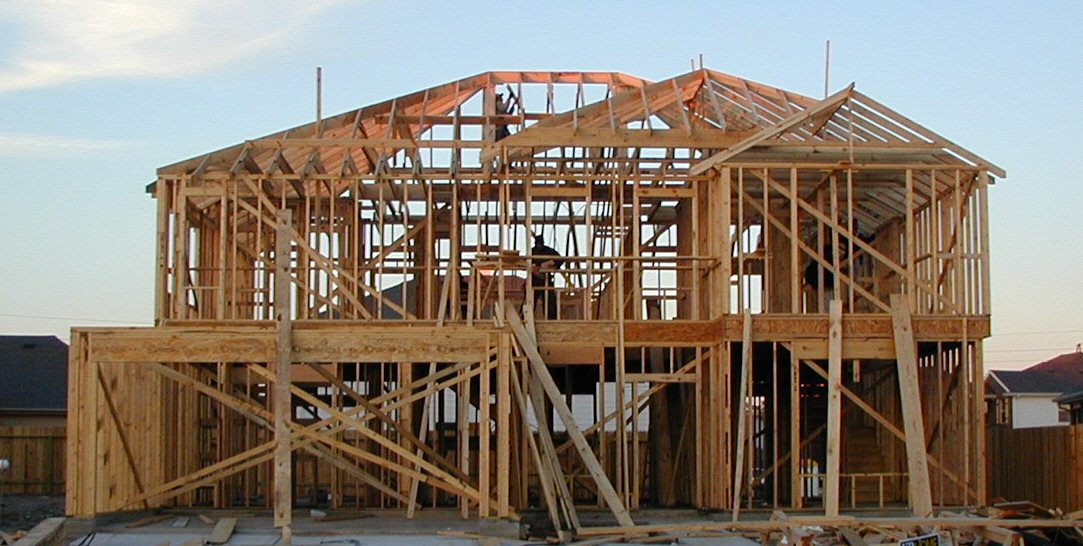 |
One effect of the downturn in the economy is that right now there is 30% more land available for house building plots at 30% less cost than they were just a year ago. People are taking advantage of some of the tax breaks in self-buildings.
Although the costs of building your own might not be significantly lower than buying a ready made property, the main advantage is that you get the house you want, designed by you (and perhaps your architect). People who build their own homes usually stay in them longer, as they are less inclined to move because much of what they wanted is in place. And when homeowners do come to sell, they'll hopefully see an increase of around 20-25% on the value of their property over what it cost them to build it themselves.
To find plots of land suitable for building a home on isn't necessarily all that difficult.
If you know of other potential self builders by all getting together it means buying a bigger piece of land and getting a better deal on the cost per plot.
Developers sometimes have spare plots of land for sale, and of course don't forget local land and estate agents.
Doing your homework is vital though, otherwise you could end up buying land which doesn't hold valid outline planning permission. Check for any restrictive covenants which might limit what you can build. After all, the idea behind building your own home is to have the design and structure the way you want it (within reason of course).
The National House Building Council (NHBC)has some very useful tips to help those interested in building their own homes. Use their website, get any reading material you can from them about self-builds.
Some people like the idea of buying a kit home. This will usually mean less expense, and be less time consuming because you'll probably dispense with the need for an architect, and the finished product will be ready much quicker as the kit home is usually delivered in just one load.
Kit homes can come in various forms. With some you buy just the shell. Or you can get virtually everything a home should have such as a kitchen and bathroom(s).
To see what a kit home looks like visit home exhibitions or a supplier's show room.
If you prefer to build your home from the foundations to the roof, you'll have to plan very carefully. That means not just planning for who you will use as the architect-unless you can design it yourself-but for the surveyor, planning consultant and other professional if necessary.
But, before you even think of a self-build, you have to count the financial cost. Will you need a mortgage? If so, you may be able to get between 25% and 80% of the value of the building plot and between 60% and 95% of the costs of the building.
Monies are released in stages rather than all at one go. You'll have to budget for any payments you may have to make while waiting for a release of money from your lender. And if you already have a mortgage on your present property, you'll need to consider whether you can afford to be repaying two mortgages at the same time for however long the project takes.
Building your own home can be extremely rewarding, but it involves a lot of hard work, forward planning, and patience. Is it worth it? Only you can decide that.
Article Source: http://EzineArticles.com/2119136
Subscribe to:
Posts (Atom)


